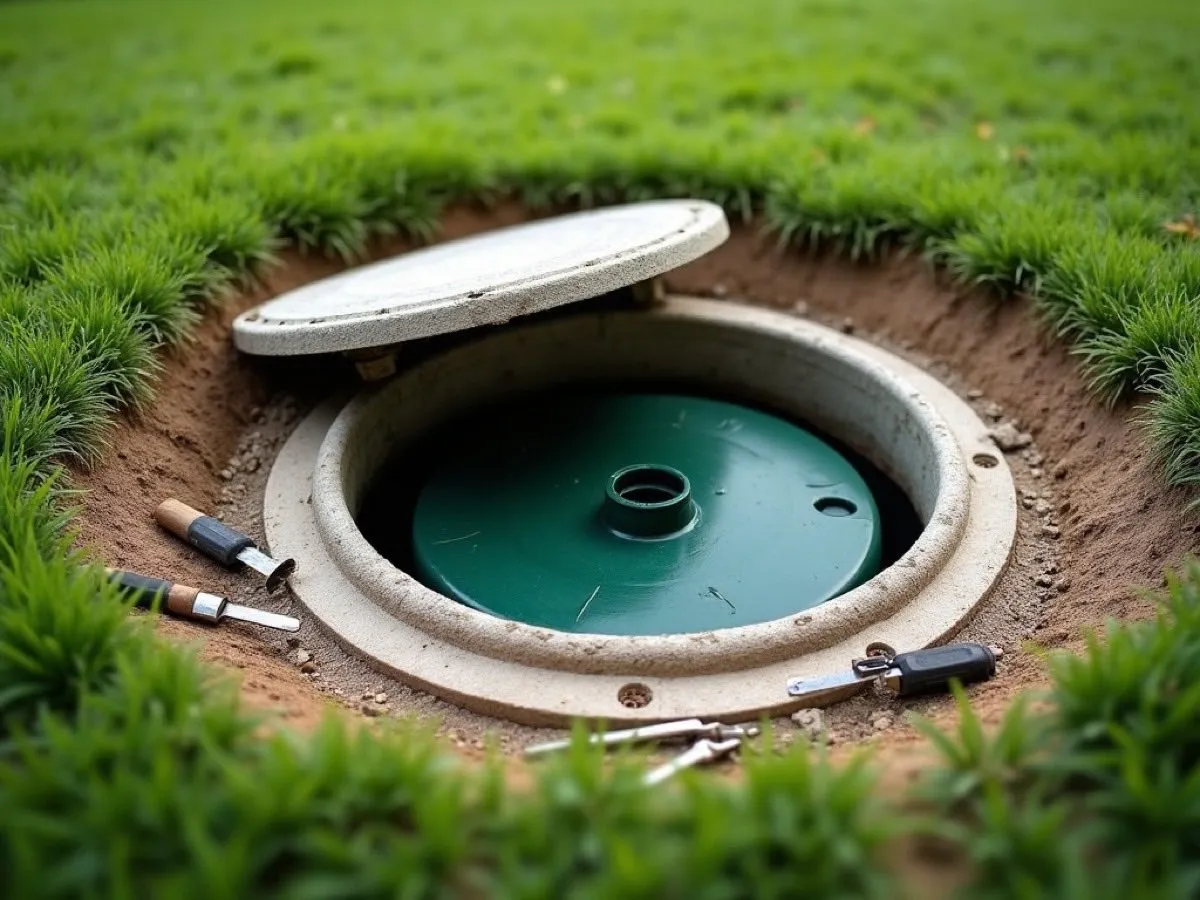
If you are building a house, replacing a failed drain field, or adding a bedroom anywhere outside the city sewer lines, you will deal with the county before any dirt gets moved. The good news: the process follows a clear sequence, and once you know the steps, it is a lot less intimidating than the official paperwork makes it look.
We are not the permit office (only the county issues permits), but we work on septic systems across New Bern and Craven County every week, so we walk homeowners through this process all the time. Here is the plain-English version.
Who Handles Septic Permits Here
Septic systems in our county are overseen by Craven County Environmental Health and its On-Site Water Protection program. That is the office that evaluates your soil, writes the permits, and inspects the work. Their official page is at cravencountync.gov, and the office is on Neuse Boulevard in New Bern, reachable at (252) 636-4936.
The application itself is submitted through Craven County Planning and Inspections at 2828 Neuse Blvd., phone (252) 636-4987 or (252) 636-6618. Fees are paid at the time you apply.
What this means for homeowners
Two offices, one process. You apply and pay at Planning and Inspections, and Environmental Health does the field work: the soil evaluation, the permits, and the final inspection. Save both phone numbers before you start.
When You Need a Craven County Septic Permit
Permits come into play in three main situations:
- A new system. Any new home or building that will run on septic needs permits before construction starts.
- A repair. If your tank, lines, or drain field fail and components have to be replaced, the county issues a repair permit first. A system that backs up into the house or surfaces sewage in the yard counts as malfunctioning, and the county expects it to be fixed properly — not patched quietly.
- An expansion or change in use. Adding a bedroom or anything else that increases the wastewater your system must handle means the system gets re-evaluated for the bigger load.
Routine maintenance does not need a permit. Having your tank pumped, your effluent filter cleaned, or your lids dug up and located involves no county paperwork at all. You can book routine septic pumping any time.
The Permit Process, Step by Step
A Craven County septic permit is really a sequence of approvals. North Carolina follows the same basic order statewide under the state septic rules (15A NCAC 18E):
- Site and soil evaluation. An environmental health specialist or a licensed soil scientist examines your lot to see what kind of system the ground can support. Around New Bern, this step is make-or-break: our area's tight clay subsoil and shallow seasonal water tables rule out basic gravity systems on plenty of lots.
- Improvement Permit. This document confirms the lot can support a septic system, and what type. It attaches to the property, which is why it matters to home buyers as well as builders.
- Construction Authorization. The green light to actually build, with the system's specifications spelled out.
- Installation and final inspection. A state-certified installer builds the system, and the county inspects it before it gets covered up.
- Operation Permit. Issued after the final inspection passes. You need this before the system can legally be used.
What this means for homeowners
Do not schedule an installer, pour a slab, or order a tank until the paperwork is in hand. And take the soil evaluation seriously: if your lot needs a pump-assisted or mound-style system instead of a conventional one, the cost difference is significant, and you want to know that before you commit to a build.
What the Permits Cost
Fees are set by the county's published fee schedule and paid when you apply. The county does not post simple flat dollar amounts online, and fees change over time, so the honest answer is to call (252) 636-4987 for current numbers before you go. The county accepts cash, check, credit cards (with a $2.45 transaction fee), and debit ($1.25 fee).
Inspections Do Not End at Installation
If your system uses an effluent pump (common in our flat, wet part of the state), North Carolina rules require the local health department to inspect it every five years. More complex advanced-treatment systems get inspected more often and usually require a contract with a certified operator.
Not sure if you have a pump system? Look for a control panel or alarm box mounted near the house. If you have one, you are likely on the county's five-year inspection list. We can confirm what you have during a pump-out and tell you what the county will look for.
Finding the Permit for an Existing System
Buying a home, or just never seen your system's paperwork? Craven County lets you look up existing septic permits through its GIS site at cravencountync.gov/gis. Search by owner name, address, or parcel number. If nothing turns up there, the county has a request form ("Request for Document: Septic tank systems and Wells") to pull copies from its files. Pulling these records is one of the first things we suggest in our home buyer's septic inspection guide.
The 2024 Rule Change, Briefly
On January 1, 2024, North Carolina replaced its old septic rules with 15A NCAC 18E, the biggest overhaul in about 34 years. If your existing system works fine, nothing changes: systems that are not malfunctioning are grandfathered under the rules they were built under. The new rules only come into play if your system fails or you increase its load.
What this means for homeowners
There is no need to "upgrade" a healthy older system. But if yours is struggling, the path back to compliance runs through a county repair permit. And the sooner a problem is caught, the more options you have. Regular pumping and a periodic septic inspection are the cheapest insurance there is.
If the county process has you staring down a fix, our septic repair team works within the permit system, not around it. We serve New Bern and Craven County with same-day and next-day appointments available, and upfront pricing — the price we quote is the price you pay.