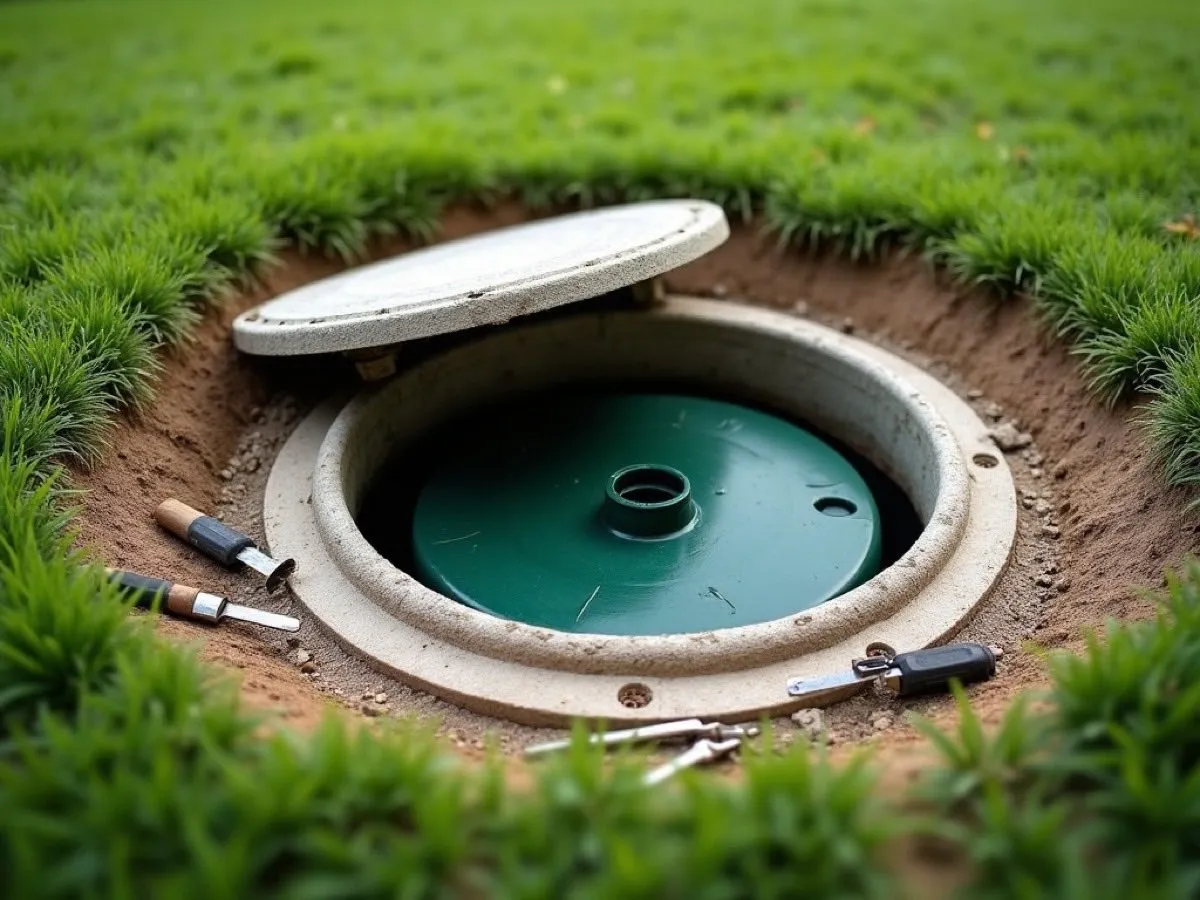
Your septic tank isn't a trash can — it's a living system that depends on bacteria to break down waste. Most of the septic emergencies we see around New Bern trace back to the same handful of household habits. Knowing what not to flush with a septic system is the cheapest maintenance plan there is.
What Not to Flush in a Septic System: The Full List
The rule is simple: if it isn't wastewater or toilet paper, it doesn't belong in the tank. The worst offenders:
- Wipes, including "flushable" ones. They don't break down like toilet paper. They collect in the tank, snag on baffles, and jam pumps.
- Grease, fats, and cooking oil. Grease hardens in the tank and can coat the drain field. A clogged drain field can't be fixed by pumping. That's a repair, and an expensive one.
- Paper towels, tissues, and rags. They're made to stay strong when wet, which is exactly what you don't want in a septic tank.
- Feminine products. Pads and tampons are designed to absorb and expand. They don't degrade, and they pile up fast.
- Medications. Drugs can kill the bacteria your tank depends on, and what passes through ends up in the ground. Use a pharmacy take-back program instead.
- Harsh chemicals. Drain cleaners, paint, solvents, gasoline, and heavy doses of bleach all do the same thing: they sterilize the tank and stall the breakdown process.
- Everything else non-organic. Dental floss, hair, cotton swabs, condoms, diapers, cat litter, cigarette butts. If it didn't come out of you or off a toilet paper roll, trash it.
About that word "flushable": it only means the wipe will physically go down the toilet. It says nothing about breaking down in your tank. Wipes are one of the most common causes of clogs and pump failures we pull out of systems around here.
Kitchen Habits That Protect Your Tank
The kitchen sink sends more trouble to a septic tank than any toilet does. Pour cooled grease into a can and throw it away — never down the drain. Scrape plates into the trash before rinsing, and keep coffee grounds, eggshells, and produce peelings out of the sink.
Go easy on the garbage disposal, or skip it entirely. Every ground-up scrap becomes solids in your tank, which means the tank fills faster and needs septic tank pumping sooner.
The Honest Truth About Septic Additives
Monthly additive treatments are heavily advertised and mostly unnecessary. A normally used septic tank already has all the bacteria it needs. They arrive free with every flush. No additive dissolves the sludge layer at the bottom of the tank, and some chemical products can actually damage the system or push solids out into the drain field.
Skip the monthly packets and put that money toward pumping on the right schedule. Our guide to how often to pump your septic tank breaks down the timing: around coastal NC, that's often every 2–3 years rather than the standard 3–5.
Water Habits That Save Your Drain Field
Your drain field needs unsaturated soil to treat wastewater, and around New Bern the water table already sits just a few feet down for much of the winter and spring. Don't pile on.
- Spread laundry across the week instead of running five loads on Saturday
- Fix running toilets and dripping faucets (they add hundreds of gallons a day)
- Take shorter showers and run dishwashers only when full
- Route gutters and sump pumps away from the drain field
Extra Rules for New Bern STEP Homes
Some New Bern city sewer customers have a STEP (Septic Tank Effluent Pump) system: your own septic tank and pump that sends liquid to the city sewer instead of a drain field. The city's customer brochure lists nearly the same do-not-flush items as above, and adds teeth: extra cleaning caused by improper materials can be billed directly to the homeowner.
The city also tells STEP owners to pump out solids every five years, keep tank lids visible with 24 inches of clearance, and keep 3 feet clear around the alarm box. If that alarm sounds, silence it, call the city right away, and cut water use hard. A STEP tank only stores about one normal day's wastewater for a family of three. Our STEP system service page covers what we handle on these systems and what stays the city's job.
Good flushing habits buy you time, but no habit replaces pumping. If your drains are slow or the yard smells off, check the signs your septic tank is full, then give us a call. We serve New Bern and Craven County with same-day and next-day appointments available, and upfront pricing: the price we quote is the price you pay.