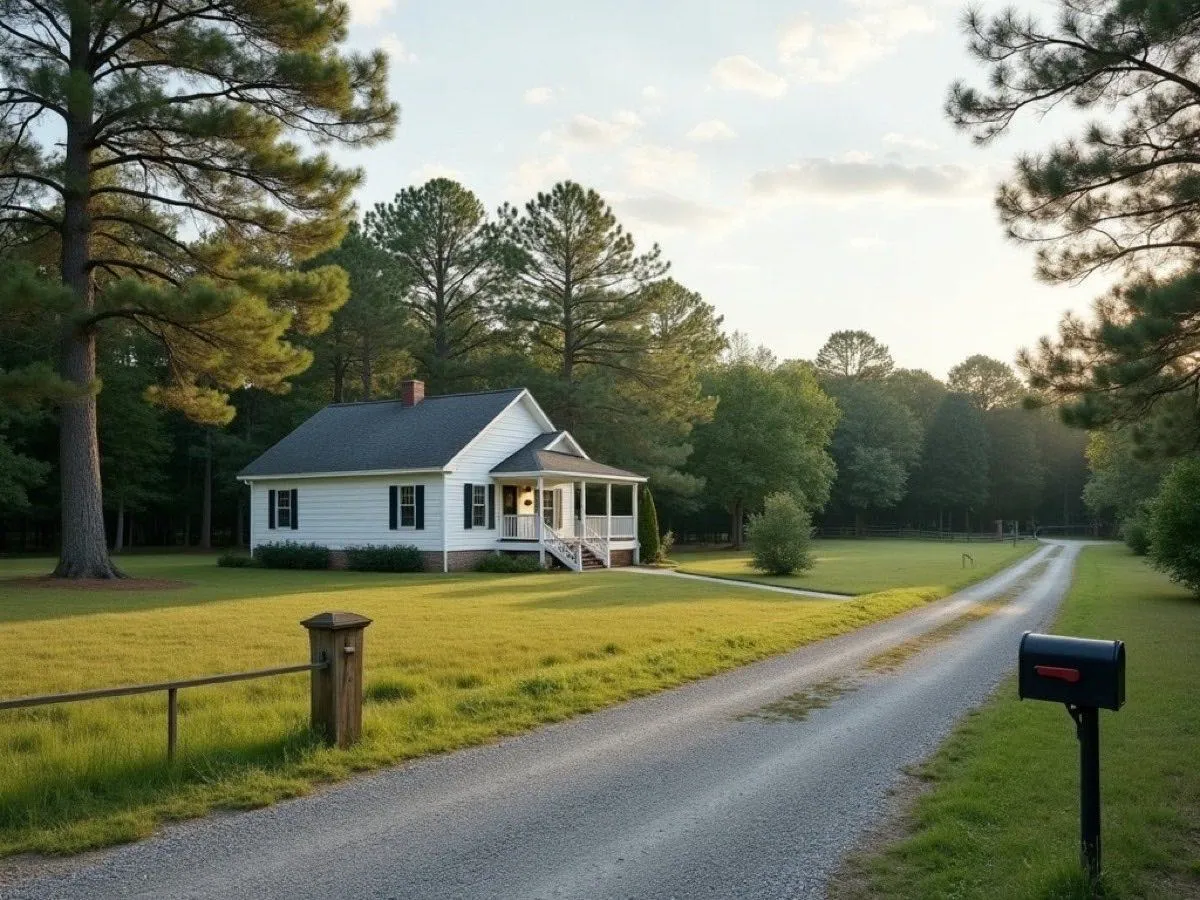
Pollocksville is a town of two septic stories. The village core runs on a small municipal sewer with only about 258 connections. But drive a minute past the old train-depot town hall in any direction and every home along US 17, NC 58 and the Trent River bottomland sits on a septic tank, like nearly all of rural Jones County, where roughly 3,570 homes on the regional water system use private septic against fewer than 250 sewer hookups countywide.
The housing here tells the story of the 2018 flood. Many of the homes and cottages near Main Street were elevated, rebuilt or bought out after Hurricane Florence put half the town underwater, so a good share of in-town systems are fairly new. Out on the multi-acre tracts along US 17 and NC 58, past Foscue Plantation and up Island Creek Road toward the Croatan, farmhouses and brick ranches still run on tanks that have been in the ground for decades. We service both, about 16 minutes down US 17 from our New Bern base.
Septic tank pumping in Pollocksville: what it costs
Septic tank pumping in Pollocksville runs about $300–$550 for most homes. Typical ranges by tank size:
- 1,000-gallon tank: roughly $245–$400
- 1,250-gallon tank: roughly $280–$475
- 1,500-gallon tank: roughly $300–$600
Digging out a deeply buried lid usually adds $25–$75, and a long hose run can add $50–$100. You get the full number before we start. The price we quote is the price you pay.
On timing: the standard North Carolina advice is to pump every three to five years. Close to the river, where the water table rides high through winter and spring, every two to three years is the safer schedule — wet soil shrinks how much your system can actually handle.
Septic rules and permits in Pollocksville
Septic permits in town and across the county go through Jones County's environmental health office, not the Town of Pollocksville. New systems and repairs follow North Carolina's statewide septic rules: 15A NCAC 18E, which took effect in January 2024 as the biggest rewrite of the state's septic code in over three decades.
There's good news for owners of older systems: a system that's working fine is grandfathered under the new rules. A failing one is not. Sewage backing up or surfacing in the yard counts as a malfunction that has to be repaired under permit, and lots in the Trent River floodplain face extra siting rules. A soil evaluation comes first, and the county matches the repair to what your ground can actually support.
Soil and drainage along the Trent River
Florence pushed a surge of roughly nine feet up the Trent and dropped 25–30 inches of rain on Jones County. Drainfields sat underwater for days, and more than 750 local families lost nearly everything. Plenty of older septic systems took a beating in that flood and never fully recovered.
Even in a normal year, this is bottomland country with high seasonal water tables. A routine river rise can saturate a drainfield for days, and waterlogged soil gives effluent nowhere to go but up. That's why low yards near the river turn soggy or smelly after a wet stretch.
After a flood: don't pump your tank while the ground is still saturated. An empty tank can literally float out of wet soil and tear loose its pipes. Let the water drop first, then have the system checked before putting it back under heavy use.
Septic services we bring down US 17
We handle routine septic tank pumping, urgent backups and overflows through emergency septic pumping, and inspections for home sales and post-storm peace of mind. Same-day and next-day appointments are available for Pollocksville, Trenton and Maysville.
On the way back toward New Bern, we also cover Brices Creek and James City.