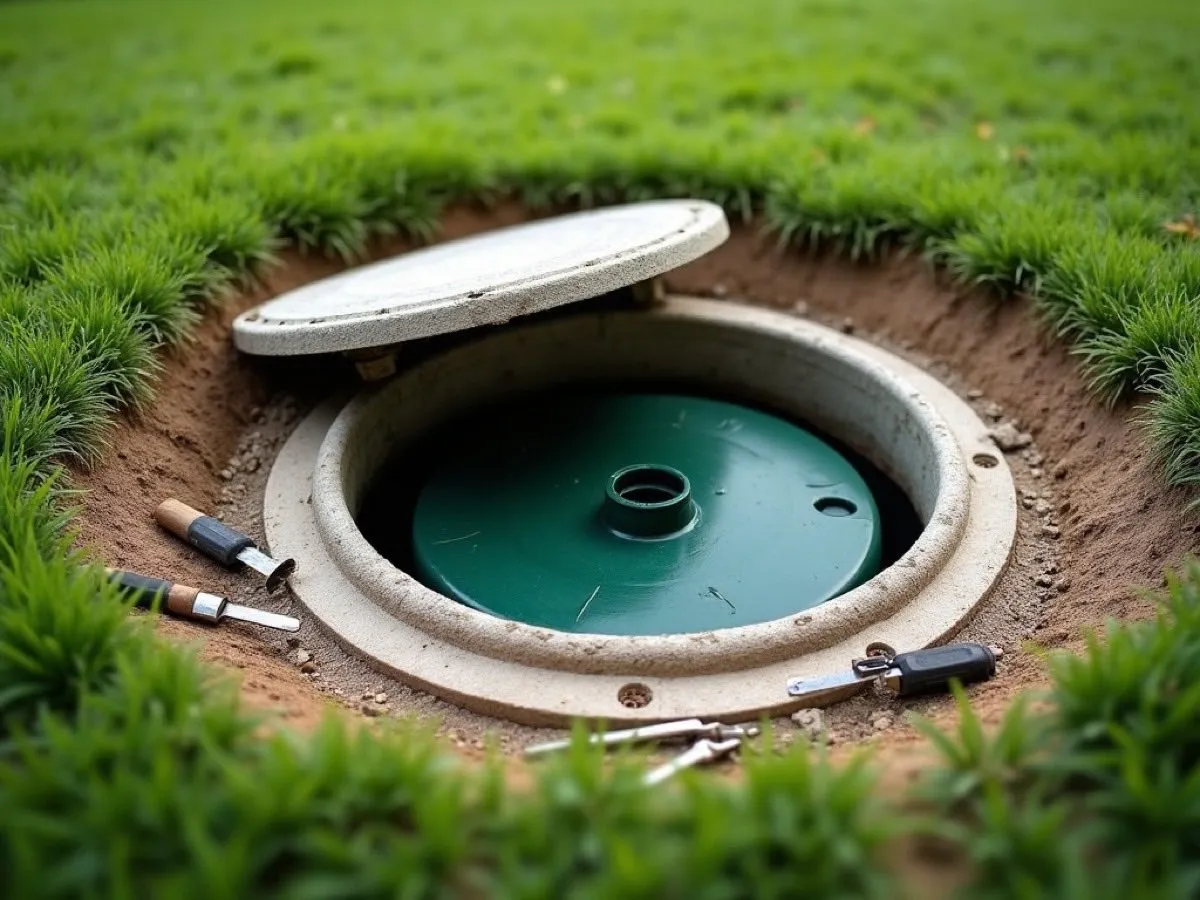
For most homes in our area, the answer is every 3–5 years. That's the standard North Carolina guidance, and a family of four with a 1,000-gallon tank typically needs pumping every 3–4 years. Around New Bern, though, the honest answer is often shorter - more on that below.
How often to pump a septic tank really comes down to three things: how many people live in the house, how big the tank is, and what the soil and water table are doing underneath it. Here's how to dial in your schedule.
How Often to Pump a Septic Tank: Schedule by Household Size
A septic tank doesn't get "used up" on a calendar. It fills with solids based on how many people are flushing into it. Use this chart as a starting point, then adjust for the factors below.
| Tank size | 1–2 people | 3–4 people | 5–6 people |
|---|---|---|---|
| 750 gallons | every 4–5 years | every 2–3 years | every 1–2 years |
| 1,000 gallons | every 4–6 years | every 3–4 years | every 2–3 years |
| 1,250 gallons | every 5–6 years | every 3–5 years | every 2–4 years |
| 1,500 gallons | every 5–7 years | every 4–5 years | every 3–4 years |
These are rough guidelines, not rules. If you don't know your tank size, Craven County septic permit records are searchable on the county GIS site by name, address, or parcel number, and the permit usually lists it.
What Moves Your Schedule Up
A garbage disposal. Disposals send food solids straight to the tank, and solids are exactly what pumping removes. If you use one regularly, plan to pump a year or so sooner than the chart suggests - or better, scrape plates into the trash and ease off the disposal.
A water softener. Softener backwash pushes a big slug of water through the tank with each cycle. That extra flow can stir up settled solids and nudge them toward the outlet before they've broken down. It won't wreck a healthy system, but it's a reason to lean toward the shorter end of your range.
Heavy water use in general. Long guest stays, a new baby, teenagers, a toilet that runs all day - anything that adds gallons shortens the schedule.
The Coastal Factor: Our High Water Table
This is the part most generic septic advice misses. The soil under much of Craven County has a seasonal water table just 24–36 inches below the surface, typically from December through April. When groundwater rises that high, it shrinks the unsaturated soil your drainfield depends on and effectively reduces your system's working capacity.
That's why many coastal North Carolina pros recommend pumping every 2–3 years instead of the standard 3–5 - especially on low-lying lots near the Neuse or Trent rivers. If your yard stays wet through the winter, lean toward the short end of every range in the chart above.
Live in a New Bern STEP home? If your house has a city-connected septic tank with a pump and alarm box, the City of New Bern's own customer brochure says owners are responsible for pumping out solids every 5 years to keep them out of the sewer system. We handle those too - see our STEP system service page.
Keep a Record - Your Future Self Will Thank You
The best septic schedule is one you actually track. After every pump-out, save these in one place:
- The date and the company that did the work
- Your tank size and lid locations (a quick sketch of the yard works)
- What the technician found - sludge depth, condition of the baffles and filter
- A reminder set about 3 years out so the next one isn't a surprise
Then use the notes. If the tank was barely a third full of solids, you can stretch the next interval a bit. If it was packed, tighten it. That turns guesswork into a real schedule built on your house, not an average one.
Due or overdue? You can schedule a septic pump-out with same-day and next-day appointments available, and check what pumping costs in North Carolina before we come out. Already seeing slow drains or odors? Don't wait on the calendar - read up on the warning signs of a full tank.