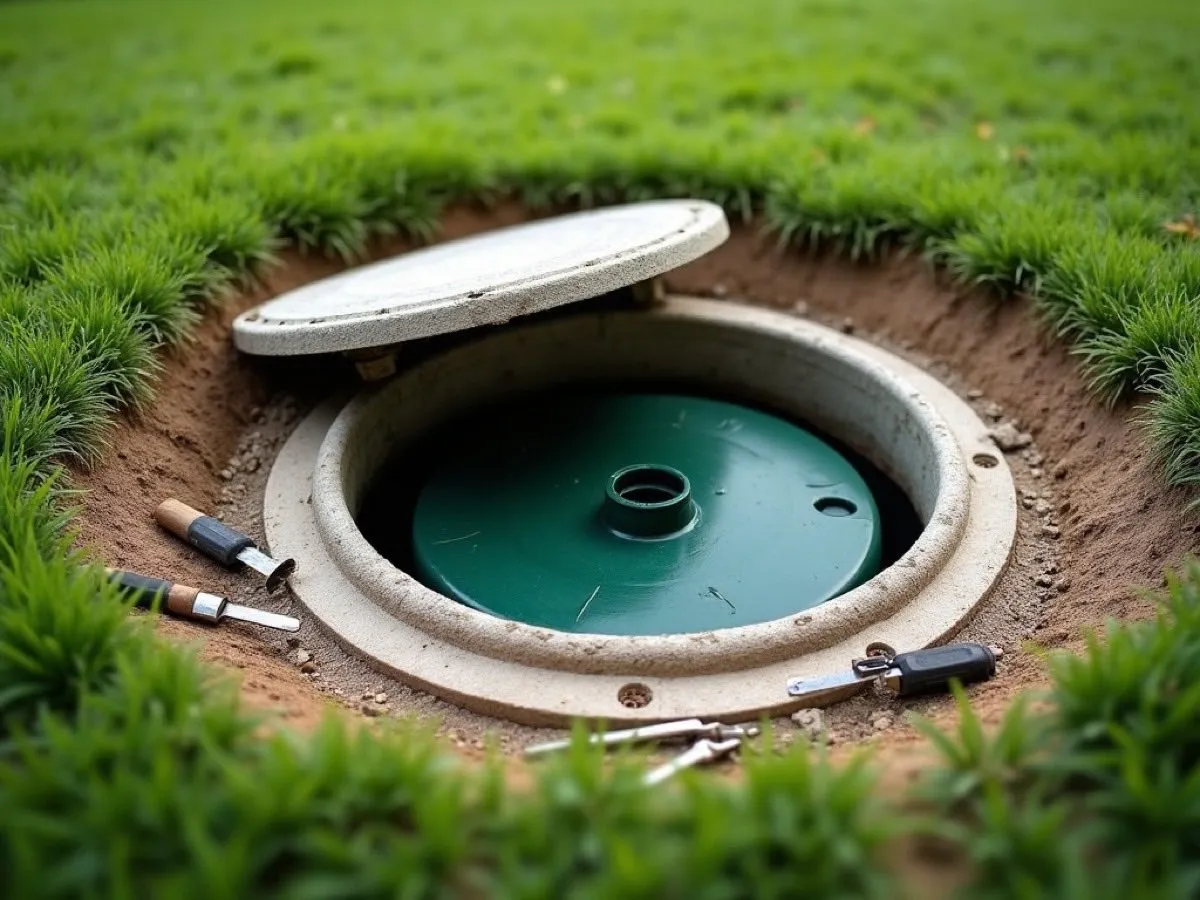
Plenty of homes around New Bern (and almost everything in the surrounding countryside) run on septic. If the house you're buying has a system, it's a buried asset worth thousands of dollars, and it deserves the same scrutiny as the roof or the HVAC. Here's how to handle a septic inspection when buying a house in NC, from what it covers to which records to demand.
Why Get a Septic Inspection When Buying a House in NC?
North Carolina does not require a septic inspection to buy or sell a home. But lenders and buyers commonly request one anyway, because the stakes are high. A conventional system replacement in eastern NC runs roughly $4,000–$8,000. On our coastal soils, where many lots need mound or advanced systems, replacement can run roughly $8,000–$20,000.
One thing the law does say: since NC House Bill 688, any septic inspection done as part of a real estate transaction must be performed by an inspector certified by the North Carolina On-Site Wastewater Contractors and Inspectors Certification Board. You can verify certifications at ncowcicb.info. A handshake look-over from a buddy doesn't meet the standard.
A Full Inspection vs. a Quick Visual Look
Not all "septic inspections" are equal, so know what you're paying for.
A visual inspection is a surface-level check: run water, flush toilets, walk the drain field looking for soggy spots, odors, or surfacing sewage. It can catch obvious failure, but a system can look fine above ground while the tank is one flush from trouble.
A full inspection opens the system up. Expect the inspector to:
- Locate and uncover the tank, then measure the sludge and scum layers
- Check the tank's structure, baffles, and effluent filter
- Pump the tank in many cases, so the empty tank can be checked for cracks and leaks
- Inspect the distribution box and drain field for even flow and saturation
- Test pumps, floats, and alarms if the system has them
- Compare what's in the ground against the county permit record
For a purchase, push for the full version. Routine maintenance inspections in NC generally run about $100–$300; real estate transaction inspections are priced by the individual inspector and vary with system type, so get a quote up front.
The 5 Records to Request from the Seller
- The Operation Permit or Improvement Permit. Confirms the system was permitted and tells you what was approved. If the seller can't produce it, Craven County GIS lets you search permits by address or parcel.
- Pumping receipts. A paper trail of pump-outs every three to five years is the single best sign of a cared-for system.
- Repair records. Past repairs aren't automatically bad news, but you want to know what failed, when, and whether the fix was permitted.
- A system layout or site drawing. Shows where the tank and drain field sit, useful during the inspection and for the rest of your time in the house.
- Any past inspection reports. Especially for pump systems, which NC health departments inspect on a five-year cycle.
Red Flags to Take Seriously
- Soggy ground, unusually lush green stripes, or sewage smells over the drain field
- Slow drains or gurgling fixtures during your showing
- A seller who can't say when the tank was last pumped
- An "extra bedroom" the permit doesn't account for: system capacity is tied to bedroom count
- Trees planted on the drain field, or vehicles parked on it
- A vacant house: a system that sat unused can hide problems that only show up under daily use
Who Pays for the Inspection?
In North Carolina, the buyer customarily pays, because the inspection happens during the due diligence period and protects the buyer's interests. It's negotiable like everything else, and if the inspection turns up problems, repair costs or price credits go on the table before closing. Keep in mind that real septic repairs here need county sign-off. We cover the process in our guide to Craven County septic permits.
Coastal timing tip: water tables around New Bern sit highest from roughly December through April. An inspection during the wet season shows the system at its most stressed — which is exactly when you want to see how it performs.
Buying near New Bern and need eyes on a system before your due diligence clock runs out? Our septic inspection service covers tanks, drain fields, and pump components across Craven County, with same-day and next-day appointments available. And if the tank needs pumping while it's open, see what septic pumping costs in our area before you book.